The Very Best Questions to Ask Throughout an Assisted Living Tour
Business Name: BeeHive Homes of Lamesa TX
Address: 101 N 27th St, Lamesa, TX 79331
Phone: (806) 452-5883
BeeHive Homes of Lamesa
Beehive Homes of Lamesa TX assisted living care is ideal for those who value their independence but require help with some of the activities of daily living. Residents enjoy 24-hour support, private bedrooms with baths, medication monitoring, home-cooked meals, housekeeping and laundry services, social activities and outings, and daily physical and mental exercise opportunities. Beehive Homes memory care services accommodates the growing number of seniors affected by memory loss and dementia. Beehive Homes offers respite (short-term) care for your loved one should the need arise. Whether help is needed after a surgery or illness, for vacation coverage, or just a break from the routine, respite care provides you peace of mind for any length of stay.
101 N 27th St, Lamesa, TX 79331
Business Hours
Choosing assisted living is seldom a quick decision. For a lot of family members, it starts with a telephone call after a small crisis, possibly a loss, a medical facility discharge, or the expanding awareness that daily life in the house has come to be harder than it must be. After that comes the tour, which can really feel both calming and overwhelming. The building may look tidy, the dining room might be intense, and the staff might seem friendly, however none of that informs the complete story.
An excellent tour is not a sales presentation. It is an opportunity to evaluate how a community actually operates when no person is carrying out for the camera. The very best questions are the ones that pass polished pamphlets and into daily life: exactly how care is supplied, just how worries are managed, what happens after hours, and whether the area can adjust as demands change. If you have ever before looked for assisted living near me or assisted living beehivehomes.com senior care near me, you currently understand the alternatives can blur together. The appropriate questions help separate a nice-looking structure from a location that can really support your life or your parent's life with self-respect and consistency.
Start with the level of care, not the décor
The initial thing family members often discover on a tour is the ambience. That matters, but it is not the main problem. The real inquiry is whether the neighborhood can fulfill current requirements and readjust as those demands shift. Assisted living is designed for people who need support with day-to-day tasks such as bathing, dressing, drug suggestions, dishes, or movement, however who do not need the day-and-night healthcare of a nursing home. Even within that interpretation, there is a wide range.
Ask exactly how the area determines care degrees. Some places utilize an official assessment when a resident moves in and duplicate it consistently. Others reassess only if there is a problem. It helps to recognize whether changes in health and wellness condition are taken care of without delay or whether households have to promote updates. If your loved one has diabetes mellitus, very early dementia, balance problems, or a history of drops, ask how those problems are kept track of in real life, not simply how they are described in the advertising and marketing packet.
You must also ask what occurs if care requirements raise beyond what the neighborhood can securely supply. That is one of one of the most important inquiries in assisted living, due to the fact that shifts are not constantly simple. Some areas can suit a resident longer than anticipated; others have a company threshold and will certainly ask a household to think about memory care, competent nursing, or another setting. Recognizing that limit before move-in is far better than finding it during a stressful health event.
Ask how staffing truly works
Staffing is just one of the clearest indications of quality, yet it is easy to get unclear answers if you do not ask straight. You do not need a spread sheet of every shift, but you do require to understand who is there, when they are there, and how much continuity locals can expect.
Ask the number of caregivers are on task throughout the day, evenings, and over night. The exact proportion can differ by area and by the needs of the citizens living there, so a single number is less beneficial than the general pattern. A location that looks completely staffed at 10 a.m. Can feel really various at 8 p.m. When supper mores than and locals start requesting help preparing for bed. Evening and over night coverage are entitled to interest, specifically if your loved one tends to need help at strange hours.
It is similarly important to inquire about turn over. An area can have a beautiful entrance hall and still battle if team come and go frequently. High turnover typically brings about weaker communication, less knowledge with locals, and a feeling that households need to duplicate the same info over and over. Ask for how long team members normally remain and whether the neighborhood utilizes a core group of caretakers or depends heavily on company team. Agency assistance is not always an issue, but if an area utilizes it often, you wish to know exactly how they keep care consistent.
If you visit greater than one area, take notice of exactly how personnel discuss each other. Do they seem hurried however respectful, or strained and responsive? The tone in between staff members commonly informs you more than a polished solution at the front desk.
Understand medicine management and daily support
Medication mistakes can develop real problem for older grownups, so this is not a concern to skip. Ask who deals with drug management, whether an accredited nurse supervises the procedure, and exactly how medicines are tracked. Some locals simply require tips. Others require full administration at established times. Making clear the difference matters, because "we assist with drugs" can indicate extremely various points from one assisted living community to another.
It likewise helps to ask what occurs when prescriptions alter. Healthcare facility discharges typically bring medicine modifications, and those shifts are a typical resource of complication. A strong neighborhood needs to have a process for updating records, verifying orders, and connecting with families when needed. Ask whether they deal with outdoors pharmacies and how urgent medicines are managed after hours.
Daily assistance should have the exact same degree of detail. If your loved one requires aid rising, using the restroom, or getting clothed prior to morning meal, ask exactly how promptly that support is offered in the morning. An area that says it provides individual care ought to be able to clarify exactly how that care is set up and exactly how it is delivered throughout active times. Morning routines can make or break a resident's day. For numerous older grownups, waiting twenty minutes for help is greater than an inconvenience. It affects self-respect, anxiousness, and often safety.
Learn what a normal day looks like
Many excursions focus on public rooms, however the daily rhythm tells you much more. Ask what a regular weekday looks like, from breakfast with bedtime. When are meals offered? Are there structured activities, and just how typically? Are citizens anticipated to participate, or can they pick quieter regimens? Not every resident wants a jam-packed activity schedule, and an excellent assisted living area ought to respect that.
A healthy and balanced community should have alternatives, not pressure. Some homeowners like exercise courses, card video games, Bible research, music, or getaways to regional stores and dining establishments. Others like to check out, view television, or spend time in their apartment or condos. What you want to know is whether the activities are significant and in fact attended, or just uploaded on a bulletin board to look impressive.
Ask whether the calendar adjustments with the season and whether residents assist form it. Several of the very best areas readjust based upon what people take pleasure in, instead of forcing everyone right into the same schedule. If your loved one has cognitive changes, hearing loss, or movement limitations, ask just how activities are adjusted so they continue to be obtainable. An activity schedule is just beneficial if homeowners can reasonably join in.
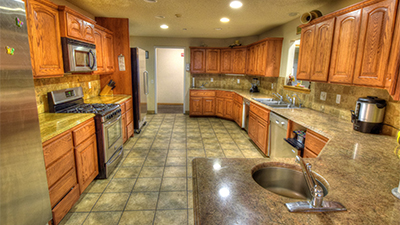
Ask regarding meals, not simply the dining room
Dining can be a highlight in assisted living, yet it can also end up being a sore point if the food is limited, recurring, or improperly taken care of. An intense dining-room is nice. What issues much more is whether dishes are healthy, constant, and enjoyable sufficient that locals really intend to consume them.
Ask the number of dishes are served each day, whether treats are offered, and whether locals can choose from more than one meal. Figure out exactly how dietary restrictions are dealt with. For older grownups with diabetes mellitus, heart disease, swallowing problems, or kidney diet regimens, food is not just a matter of taste. It is part of care. Ask whether the kitchen can take care of unique diet regimens without making a resident feel selected or like an inconvenience.
If you can, visit around mealtime. That offers you a much better read than visiting an empty dining room at 2 p.m. Watch whether people appear relaxed, whether team know locals by name, and whether the dish solution feels organized or disorderly. The speed of the meal area informs a lot concerning the quality of the daily experience. If a community offers restaurant-style dining, ask whether the service corresponds or only during particular hours. If your loved one has a tendency to wake late, ask whether morning meal is adaptable sufficient to match reality, not just the clock.
Ask how the neighborhood manages health adjustments and emergencies
Every family expects a smooth transition, yet older grownups usually experience health adjustments after moving into senior living. A minor infection can influence equilibrium. An autumn can change confidence. Memory loss can proceed gradually. Good assisted living neighborhoods are prepared for these moments.
Ask what occurs if a resident drops. That is alerted? Is a registered nurse called immediately? When is 911 used, and when is household called? The answer must seem clear and practiced, not improvisated. You should also ask just how the area deals with abrupt disease, complication, or indicators of clinical depression. Staff who see citizens on a daily basis are commonly the very first to see adjustments, yet only if they understand what to look for and have a process for reporting it.
Emergency preparedness matters too. Ask about fire drills, weather condition emergency situations, backup power, and discharge strategies. These are not positive subjects, yet they are essential. If a building sheds power for a number of hours or encounters extreme weather, exactly how are homeowners kept safe, warm, and informed? Neighborhoods in locations with tornados, severe warm, or winter season ice need to have thoughtful answers.
If your loved one has dementia or gets disoriented quickly, ask how team respond if a resident tries to leave the structure or wanders during the night. Even in assisted living, this can come to be an issue. An area must be sincere regarding what it can take care of and what it cannot.
Get specific about money, charges, and agreement terms
Finances can be the least extravagant component of the tour, yet they are amongst one of the most crucial. Assisted living rates frequently looks easy on the surface and comes to be extra complex when care levels, medication administration, transport, and other solutions are added.
Ask what the base regular monthly cost consists of and what prices additional. Clear up whether care needs are valued in rates, whether rental fee modifications based upon house dimension, and whether there are additional costs for 2nd owners, washing, assistance with showering, or incontinence care. These information can impact the regular monthly budget by numerous bucks. It is far better to hear them now than after move-in.
You needs to likewise ask about deposit demands, notice durations, and refund policies. If the community has a waiting listing, ask the length of time a system can be held. If the resident demands respite care before making an irreversible choice, ask how short-term remains are billed and whether the same house can be utilized later on for a long-lasting move. Short keeps can be a beneficial means to evaluate whether a neighborhood fits, especially if relative are contrasting assisted living and various other senior care options.
Do not be reluctant to ask for an example contract to examine at home. No reputable area ought to hurry that procedure. If a solution feels unclear, keep pressing until it is clear.
Pay interest to memory care, respite care, and future planning
Not everyone entering assisted living will remain there for life in the same way they got here. A partner might later on need respite care after surgery. A resident may start showing signs of memory loss. One member of the family might believe the step has to do with companionship, while an additional sees it as a method to prevent future crises.
Ask whether the neighborhood offers respite care and what that resembles. Short-term remains can be a wise option after a healthcare facility discharge, throughout a caretaker vacation, or when a family requires time to recover from exhaustion. They are likewise a useful dry run. A week or 2 in the community can reveal more than a refined tour ever before will.
If memory problems are currently existing or likely, ask whether the community has a different memory care program or a clear course to one. Some assisted living areas can support citizens with light cognitive modifications, but not severe dementia. Family members often miss this distinction until issues appear. Knowing the threshold ahead of time shields everyone involved.
This is also a good point to ask just how the neighborhood communicates with households as needs change. Are care meetings routine? Are household updates aggressive, or only set off by an issue? Great interaction is not a perk feature. It belongs to the service.
Notice the information that do not fit on a brochure
A tour gives you a possibility to observe things no person places on a site. Are hallways clean but sterile, or lived-in and took care of? Do homeowners look engaged, or primarily parked before a tv? Exist photos, art, and indicators of real personal history, or does the place really feel staged?
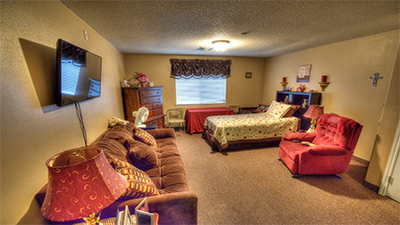
Watch how team respond when a resident requests for aid. The high quality of a response issues, however so does the tone. Do they respond with patience, or do they look frustrated? Exists time for a short conversation, or does every person seem trapped in motion? A neighborhood can be efficient and still humane, however you want to see proof of both.
Trust your impulses, but do not depend on them alone. A wonderful sensation can originate from fresh paint and warm lighting. That is not enough. At the exact same time, a moderate structure with less gloss might supply excellent care. Court what you see, hear, and really feel together. One household I collaborated with once chose a smaller area because the director admitted, readily, that they can not take care of sophisticated dementia. That sincerity conserved them months of irritation later on, and it helped them discover a setup that matched their father's actual needs.
A functional way to leave the tour with helpful answers
Some households enter into a tour with a notebook full of questions and leave remembering just half the answers. That is regular. The environment is new, the information comes quickly, and there is a lot to absorb. A simple behavior aids: after each tour, sit in the vehicle or pick up coffee and compare notes while the impressions are still fresh. Which neighborhood responded to straight? Which one seemed defensive? Which one really felt tranquil under pressure?
If you intend to keep the procedure workable, concentrate on the inquiries that disclose just how the area operates every day, not simply how it looks on an open home afternoon. These are the concerns that matter most:
What degree of care can they absolutely offer, and just how do they reassess it? Exactly how is staffing taken care of on nights and over night? What occurs with medicines, falls, and sudden illness? What do dishes and daily routines really appear like? How are costs structured, and what activates extra costs? What takes place if needs modification and a higher degree of assistance comes to be necessary?
Those inquiries will certainly tell you far more than the color of the carpeting or the dimension of the light fixture in the lobby.
A solid assisted living area must be able to answer with clarity, not manuscripts. It should welcome questions concerning tough minutes, due to the fact that difficult moments belong to senior care. When you are searching for senior living, you are not simply selecting an area to remain. You are selecting the people who will see your loved one on ordinary mornings, throughout uncomfortable transitions, and in the silent hours when household is not there. That is why the very best inquiries are not aggressive or unconvinced. They are careful, specific, and grounded in real life.
BeeHive Homes of Lamesa TX provides assisted living care
BeeHive Homes of Lamesa TX provides memory care services
BeeHive Homes of Lamesa TX provides respite care services
BeeHive Homes of Lamesa TX supports assistance with bathing and grooming
BeeHive Homes of Lamesa TX offers private bedrooms with private bathrooms
BeeHive Homes of Lamesa TX provides medication monitoring and documentation
BeeHive Homes of Lamesa TX serves dietitian-approved meals
BeeHive Homes of Lamesa TX provides housekeeping services
BeeHive Homes of Lamesa TX provides laundry services
BeeHive Homes of Lamesa TX offers community dining and social engagement activities
BeeHive Homes of Lamesa TX features life enrichment activities
BeeHive Homes of Lamesa TX supports personal care assistance during meals and daily routines
BeeHive Homes of Lamesa TX promotes frequent physical and mental exercise opportunities
BeeHive Homes of Lamesa TX provides a home-like residential environment
BeeHive Homes of Lamesa TX creates customized care plans as residents’ needs change
BeeHive Homes of Lamesa TX assesses individual resident care needs
BeeHive Homes of Lamesa TX accepts private pay and long-term care insurance
BeeHive Homes of Lamesa TX assists qualified veterans with Aid and Attendance benefits
BeeHive Homes of Lamesa TX encourages meaningful resident-to-staff relationships
BeeHive Homes of Lamesa TX delivers compassionate, attentive senior care focused on dignity and comfort
BeeHive Homes of Lamesa TX has a phone number of (806) 452-5883
BeeHive Homes of Lamesa TX has an address of 101 N 27th St, Lamesa, TX 79331
BeeHive Homes of Lamesa TX has a website https://beehivehomes.com/locations/lamesa/
BeeHive Homes of Lamesa TX has Google Maps listing https://maps.app.goo.gl/ta6AThYBMuuujtqr7
BeeHive Homes of Lamesa TX has Facebook page https://www.facebook.com/BeeHiveHomesLamesa
BeeHive Homes of Lamesa has an YouTube page https://www.youtube.com/@WelcomeHomeBeeHiveHomes
BeeHive Homes of Lamesa TX won Top Assisted Living Homes 2025
BeeHive Homes of Lamesa TX earned Best Customer Service Award 2024
BeeHive Homes of Lamesa TX placed 1st for Senior Living Communities 2025
People Also Ask about BeeHive Homes of Lamesa TX
What is BeeHive Homes of Lamesa Living monthly room rate?
The rate depends on the level of care that is needed. We do an initial evaluation for each potential resident to determine the level of care needed. The monthly rate is based on this evaluation. There are no hidden costs or fees
Can residents stay in BeeHive Homes until the end of their life?
Usually yes. There are exceptions, such as when there are safety issues with the resident, or they need 24 hour skilled nursing services
Do we have a nurse on staff?
No, but each BeeHive Home has a consulting Nurse available 24 – 7. if nursing services are needed, a doctor can order home health to come into the home
What are BeeHive Homes’ visiting hours?
Visiting hours are adjusted to accommodate the families and the resident’s needs… just not too early or too late
Do we have couple’s rooms available?
Yes, each home has rooms designed to accommodate couples. Please ask about the availability of these rooms
Where is BeeHive Homes of Lamesa TX located?
BeeHive Homes of Lamesa is conveniently located at 101 N 27th St, Lamesa, TX 79331. You can easily find directions on Google Maps or call at (806) 452-5883 Monday through Sunday 9:00am to 5:00pm
How can I contact BeeHive Homes of Lamesa TX?
You can contact BeeHive Homes of Lamesa by phone at: (806) 452-5883, visit their website at https://beehivehomes.com/locations/lamesa/, or connect on social media via Facebook or YouTube
Take a drive to K-BOB'S Steakhouse Lamesa. K-BOB'S Steakhouse Lamesa provides classic comfort food that residents in assisted living or memory care can enjoy during senior care and respite care outings.